
Neck of Femur Fractures
The neck of the femur connects the femoral head—the ball of the hip joint—to the thigh bone. A fracture in this area is a serious injury that usually requires urgent hospital assessment.
How these fractures occur
Neck of femur fractures are common in older people and those with osteoporosis, often after a fall from standing height. In younger people, they may follow a higher-energy injury.
Symptoms can include severe hip or groin pain, inability to stand or walk, and a leg that appears shortened or turned outward. Some impacted fractures cause less dramatic symptoms but still require assessment.
Treatment and recovery planning may involve orthopaedic, medical, nursing and rehabilitation teams working together.
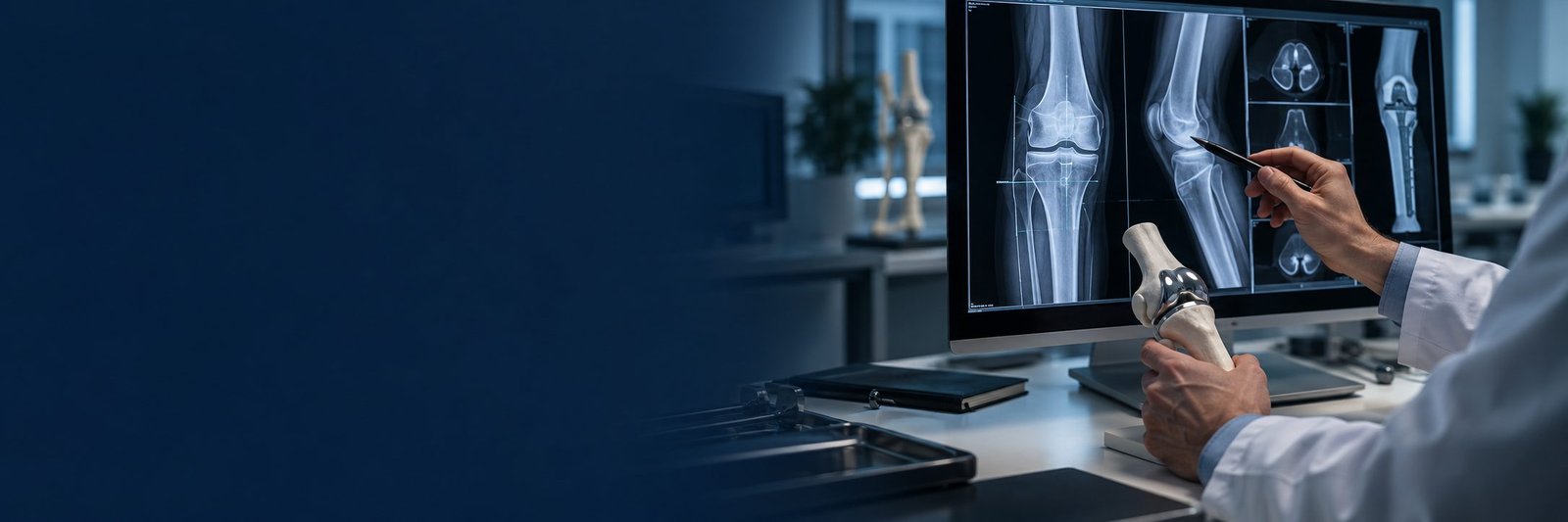
Coordinated care
Timely assessment supports a safe recovery pathway.
On this page
Important guidance Urgent hospital assessment
A suspected hip fracture should be assessed in an emergency department. Evaluation may include examination, X-rays and other imaging if the fracture is not clear. The team will also assess pain, hydration, medicines and medical conditions that may affect treatment.
Do not try to make the person stand or walk. Call Triple Zero (000) after a major fall, for severe pain, inability to move safely, or other emergency concerns.
03 / What to know
Choosing the operation
Treatment depends on the fracture position, displacement, bone quality, pre-injury mobility, age and overall health. Surgery may use screws, a plate or an intramedullary nail to stabilise the bone, or may involve partial or total hip replacement.
The treating team will explain why a particular operation is recommended and discuss its important risks and expected goals.
Multidisciplinary care
Care commonly involves orthopaedic surgeons, anaesthetists, general physicians or geriatricians, nurses, physiotherapists, occupational therapists and rehabilitation clinicians.
This coordinated approach addresses the fracture as well as pain, mobility, medical conditions, nutrition, bone health, falls risk and planning for a safe discharge.
Recovery and preventing another fall
Mobilisation and rehabilitation usually begin as soon as the treating team considers it safe. Recovery varies with the injury, operation, previous mobility and general health, and some people need additional inpatient or community rehabilitation.
After the acute injury, the broader plan may include assessment of osteoporosis, medicines, vision, footwear, strength, balance and home hazards to help reduce future falls and fractures.
Discuss your symptoms and treatment options.
Treatment and recovery planning may involve orthopaedic, medical, nursing and rehabilitation teams working together.
Neck of Femur Fractures FAQs
Helpful starting points before your consultation. Advice and recovery plans are always tailored to the individual.
Is a neck of femur fracture an emergency?
A suspected hip fracture after a fall or injury requires urgent hospital assessment, particularly when the person cannot stand or put weight through the leg. Call Triple Zero (000) for an emergency.
What operations may be used?
Depending on the fracture and the patient’s circumstances, treatment may involve screws, a plate, an intramedullary nail, a partial hip replacement or a total hip replacement.
Why is a multidisciplinary team involved?
Hip fractures often affect older people with other health needs. Physicians, geriatricians, anaesthetists, nurses, physiotherapists and rehabilitation clinicians may work together to support surgery, recovery and safe discharge.
What should I bring to my appointment?
Please bring your referral, Medicare details, relevant X-rays or scans, a current medication list and any useful reports from previous treatment or surgery. Contact the practice before your visit if you are unsure what is required.
Explore hip care